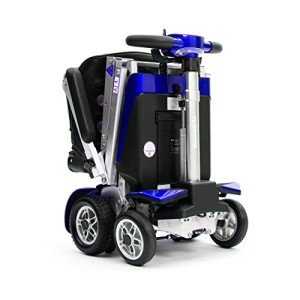
A Comprehensive Guide to Buying a Mobility Scooter
Mobility scooters have actually become an important tool for numerous people looking to improve their self-reliance and mobility. With a huge variety of designs and functions available, selecting the right mobility scooter can be daunting. This post offers a useful guide to help customers navigate their options, evaluate their requirements, and make an informed purchase.
Understanding Mobility Scooters
Mobility scooters are electric vehicles created for individuals who experience mobility challenges. They are particularly helpful for seniors, those with impairments, or people recuperating from injuries. Mobility scooters can vary extensively in regards to style, functions, and rates.
Kinds Of Mobility Scooters
Before embarking on a purchase, it's important to comprehend the various kinds of mobility scooters offered:
Three-Wheel Scooters:
- Generally more maneuverable in tight areas
- Lightweight and portable
- Suitable for indoor usage
Four-Wheel Scooters:
- Offer greater stability and balance
- Ideal for outdoor usage over numerous terrains
- Usually have a longer battery life
Foldable/Portable Scooters:
- Designed to be quickly transferred and kept
- Can typically suit the trunk of a vehicle
- Ideal for those who take a trip regularly
Heavy-Duty Scooters:
- Built to accommodate larger individuals
- Often included more robust features for outdoor usage
- Generally geared up with larger batteries for extended range
Factors to Consider When Buying a Mobility Scooter
1. Weight Capacity
Choose a mobility scooter that can support the user's weight. visit the next document have a weight limitation varying from 250 to 500 pounds. It is important to make sure that the scooter can accommodate the user easily.
2. Range and Battery Life
The range is how far the mobility scooter can travel on a single charge. Normal varieties differ between 10 to 30 miles. Consider the user's daily activities and pick a scooter with an ideal range.
3. Scooter Dimensions
Consider the size of the scooter, including its weight and dimensions. A more compact scooter may be ideal for narrow hallways and tight areas, while larger models provide extra stability and convenience.
4. Surface Capability
Evaluate where the scooter will primarily be used. If the user plans to take a trip mostly on pavement, a lightweight design might be sufficient. However, if the user needs to traverse gravel or irregular surfaces, consider a four-wheel scooter built for off-road usage.
Top Features to Look For
Comfort
- Adjustable Seats: Look for scooters with cushioned and height-adjustable seats to guarantee convenience during travel.
- Armrests: These enhance safety and assistance while browsing.
Safety and Visibility
- Headlights and Taillights: Essential for nighttime usage.
- Turn Signals and Reflectors: Improve presence and safety while on the road.
User-Friendly Controls
- Joystick or Drive Controls: These must be instinctive and simple to control.
- Easy-to-Read Displays: A control panel that shows battery life, speed, and range can improve the user experience.
Additional Features
- Storage Compartments: These provide added benefit for carrying individual items while on the go.
- Weather Protection: Consider models with rain covers or windshields if utilized in variable weather conditions.
Cost Considerations
When budgeting for a mobility scooter, costs can range anywhere from ₤ 500 to over ₤ 5,000 depending on the model, functions, and brand name. Extra costs may consist of:
- Extended Warranty: Protects against flaws and can conserve cash in the long run.
- Accessories: Optional features, such as upgraded seats, lights, or storage options.
| Feature | Cost Range |
|---|---|
| Standard Models | ₤ 500 - ₤ 1,500 |
| Mid-Range Models | ₤ 1,500 - ₤ 3,000 |
| High-End Models | ₤ 3,000 - ₤ 5,000 |
Financing Options
Many retailers provide funding strategies, and some regional federal government efforts may supply grants or support for those in need. Investigate potential financial support with community resources or mobility service companies.
Frequently asked questions about Buying a Mobility Scooter
What is the distinction in between a mobility scooter and a wheelchair?
Mobility scooters are motorized and permit users to navigate independently, while wheelchairs may require physical support or manual operation.
How do I keep a mobility scooter?
Routine upkeep involves examining battery life, cleaning the scooter, and checking tires and brakes. Constantly refer to the user handbook for specific guidelines.
Can mobility scooters be utilized inside your home?
Yes, many designs are developed for both indoor and outside usage. Nevertheless, three-wheel scooters tend to be better fit for indoor navigation due to their tighter turning radius.
Are mobility scooters covered by insurance?
Some insurance prepares cover a part of the expenses for mobility scooters if they are deemed clinically required. Contact your provider for specific details.
How quickly can a mobility scooter go?
Most mobility scooters have an optimal speed ranging from 4 to 8 mph. Nevertheless, the proper pace might vary depending upon regional regulations.
Getting a mobility scooter can significantly boost one's independence and quality of life. By comprehending the types, features, and costs related to mobility scooters, prospective purchasers can make well-informed decisions that suit their requirements and preferences. Customization and comprehensive research study are key to making sure fulfillment with this crucial financial investment.